
When a worker spots a serious flaw in a product being made - say, a batch of children’s toys with unsafe lead paint or a medical device that could fail during surgery - they face a hard choice. Report it and risk losing their job. Stay quiet and risk someone getting hurt. Whistleblower protections exist to make the right choice safer. But knowing what’s covered, how to report, and what to expect isn’t automatic. If you work in manufacturing and you’ve seen something wrong, this is what you need to know.
What Exactly Is Protected?
You don’t have to be an engineer or a quality control manager to be protected. The law covers anyone who reports safety or quality problems in manufacturing - from assembly line workers to warehouse staff, contractors, and even temps. The key is that the issue must relate to a specific law designed to protect public safety. Three major laws cover most manufacturing settings:- CPSIA (Consumer Product Safety Improvement Act): Covers toys, baby products, furniture, and anything sold to consumers. Protects reports about lead, phthalates, flammability, or choking hazards.
- FSMA (Food Safety Modernization Act): Covers food processing plants, packaging, and distribution. Protects reports of unsanitary conditions, contamination, or mislabeling.
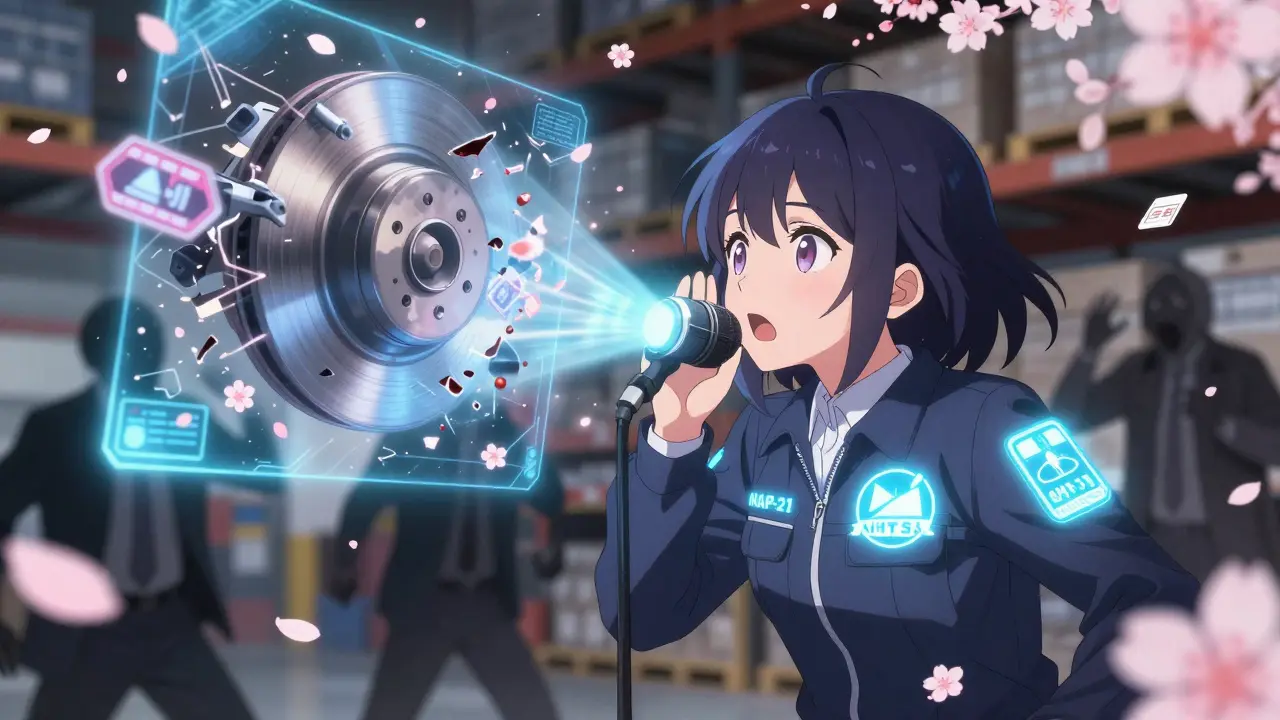
- MAP-21 (Moving Ahead for Progress in the 21st Century Act): Covers cars, trucks, tires, brakes, airbags, and auto parts. Protects reports of defects that could cause crashes or injuries.
What Counts as Retaliation?
Retaliation doesn’t just mean getting fired. It includes:- Demotion or pay cuts
- Suspension without pay
- Being reassigned to a worse shift or location
- Threats, intimidation, or harassment
- Being passed over for promotions
- Being forced to quit (called constructive discharge)
- Being blacklisted from future jobs in the industry
How to Report - And When
Timing is everything. Each law has a strict deadline to file a complaint:- 30 days: For motor vehicle defects under MAP-21
- 45 days: For environmental violations (like hazardous waste)
- 180 days: For CPSIA (toys, consumer goods) and FSMA (food)
- Your supervisor or HR (internal reporting is protected too)
- OSHA directly (call 1-800-321-OSHA or file online)
- The CPSC, FDA, or NHTSA, depending on the product
What Happens After You File
OSHA has 60 to 90 days to investigate your claim. They’ll interview you, your employer, and maybe others. They might visit the facility. If they find evidence of retaliation, they can order your employer to:- Reinstate you to your old job
- Pay you back wages with interest
- Cover your legal fees
- Pay damages for emotional distress
Where the System Falls Short
The laws are strong on paper - but in practice, whistleblowers face real hurdles. Many don’t know about the 180-day window. A 2023 GAO report found 47% of manufacturing whistleblowers didn’t know they could get free legal help from OSHA. Others are scared because they’ve seen coworkers get punished even if they technically “won.” There’s also the issue of proof. Quality issues in manufacturing aren’t always obvious. A misaligned part might not break until months later. A contaminated batch might pass initial tests. That’s why experts say whistleblowers need 8 to 12 weeks to gather enough evidence - and up to 14 weeks for medical devices or auto parts. Even worse, some companies use NDAs (nondisclosure agreements) to silence workers. But since January 2023, the Department of Energy has made it clear: NDAs can’t override whistleblower protections. If you’re working on government contracts, you’re still protected.
What You Should Do Now
If you’re worried about a quality issue in your workplace:- Document everything: Date, time, location, product ID, serial number, photos, test reports. Write down who saw it, who ignored it.
- Use internal channels first: About 62% of CPSIA cases are protected even if you report to your manager. Give your company a chance to fix it.
- Know your deadline: Write it on your calendar. Set a reminder for 30 days before it expires.
- Don’t use social media: A 2022 NLRB ruling said complaining about quality on Facebook or LinkedIn isn’t protected unless it’s tied to workplace safety.
- Contact OSHA early: If you’re threatened, suspended, or pushed out, call 1-800-321-OSHA within 10 days. They’ll guide you.
Why This Matters
Whistleblowers don’t just save jobs - they save lives. The CPSC says 72% of product recalls started because someone inside reported the problem. Without them, dangerous toys, tainted food, and faulty brakes would keep rolling off the line. And yet, only 34% of manufacturing companies have formal whistleblower programs. That’s a gap. If your workplace doesn’t have one, speak up. Not just for yourself - for everyone who might use the product you helped make.Can I be fired for reporting a quality issue even if I’m not sure it’s real?
No. You’re protected if you had a reasonable, good-faith belief that the issue was a violation of safety law. You don’t need to prove it beyond doubt - just that your concern was based on facts you observed. The law protects the act of reporting, not the outcome.
What if my company has a confidentiality agreement or NDA?
Confidentiality agreements can’t override whistleblower protections. Since January 2023, the Department of Energy and OSHA have clarified that NDAs cannot prevent workers from reporting safety violations to government agencies. If you’re pressured not to report, that pressure itself may be illegal retaliation.
Do I need a lawyer to file a whistleblower complaint?
No. You can file a complaint with OSHA yourself for free. The Department of Labor provides free legal assistance through its regional offices if your case moves to a hearing. However, if you’re facing serious retaliation or complex technical issues (like in medical device manufacturing), consulting a lawyer early can help you build a stronger case.
Can I report anonymously?
You can file a complaint without giving your name, but OSHA will still need to contact you to investigate. If you don’t provide contact info, your case may be dismissed. It’s better to report your name - protections exist to shield you from retaliation, not to hide you.
What if I report and nothing happens? Should I give up?
Don’t give up. OSHA’s investigation doesn’t mean your employer will be punished - it means they’ll be required to respond. If you’re still being retaliated against after the investigation, you can request a hearing before a Department of Labor judge. Many cases take months to resolve, but the legal remedies are real and enforceable.
 Pharmacology